

International parcel transportation involves multiple transportation stages, different handling facilities, and customs procedures. During this process, parcels may pass through multiple carriers, sorting centers, airports, and local distribution networks before reaching the recipient. Without accurate transportation information, businesses will have difficulty promptly detecting delays or locating lost parcels. Therefore, combining fast door-to-door express services with real-time tracking capabilities helps enhance transportation transparency, reduce delivery uncertainty, and support more reliable international logistics.
Understanding Door-to-Door Express Services
Door-to-door delivery is a transportation service that transports parcels directly from the sender’s designated location to the recipient’s address. Unlike port-to-port or airport-to-airport transportation, this service covers more stages of the logistics process, including pick-up, international transportation, customs coordination, and last-mile delivery. Thus, businesses can reduce the need to coordinate multiple transportation service providers on their own.
Professional express services are particularly suitable for companies that need to send samples, business documents, small packages, and products with high time requirements. Additionally, companies can choose different service plans based on destination, parcel weight, delivery deadline, and customs requirements. For international transportation, DDP express services can be provided, where the logistics service provider will coordinate applicable tariffs and taxes according to the agreed service terms.
Why Real-Time Tracking is Crucial in Global Transportation
International goods rarely travel directly from the shipper to the consignee. Instead, parcels may need to pass through origin facilities, export clearances, international transfer centers, destination country customs, and local distribution centers. During these stages, real-time tracking can dynamically update the transportation information of the goods, helping shippers and consignees understand the location and current transportation status of the parcels.
Fast door-to-door express services with efficient tracking capabilities have several practical advantages:
- Improve visibility of goods: Tracking updates help businesses monitor the movement of parcels at different transportation stages.
- Faster detection of anomalies: Early identification of unexpected delays, customs detentions, or delivery anomalies can be achieved.
- Optimize communication: Businesses can provide more accurate delivery information to customers without relying on repeated manual inquiries.
- Reduce the risk of package loss: Transportation records and scanned data help logistics teams investigate lost or misdelivered parcels.
- Improve delivery planning: Estimated arrival information helps recipients prepare for the delivery and coordinate receiving arrangements.
- However, tracking technology cannot completely eliminate the possibility of package loss. Its main value lies in providing transportation information and supporting timely investigations in case of abnormal situations.
Parcel Tracking in Express Transportation and Preventing Parcel Loss
Parcel tracking relies on identification numbers and scan records generated by each logistics node. When parcels are picked up, sorted, transferred, or delivered, relevant facilities may record new tracking events. These records form the history of the goods, helping logistics teams track the transportation status of parcels throughout the process.
For example, if a parcel leaves the origin sorting center but fails to receive the expected arrival scan information at the next transfer point, tracking records can help identify the stage that requires further investigation. Similarly, delivery confirmation can provide evidence that the goods have arrived at the destination. Although the scanning intervals and tracking details of different carriers may vary, consistent transportation records help improve the transparency of parcel management.
The Role of Customs Clearance and DDP Express in International Parcel Transportation
Customs procedures are another important aspect of international parcel transportation. Incorrect product descriptions, incomplete commercial invoices, missing documents, or unpaid tariffs can cause delays before the goods reach the distribution network in the destination country. Therefore, accurate documentation and clear customs arrangements are crucial for ensuring predictable delivery times.
When the service agreement includes customs clearance and applicable import duties and taxes, DDP express can simplify the transportation process. Under this arrangement, the seller or the designated carrier will bear the agreed-upon import-related costs and procedures. However, enterprises still need to confirm the destination coverage, tax arrangements, cargo restrictions requirements, and specific service contents before shipping.
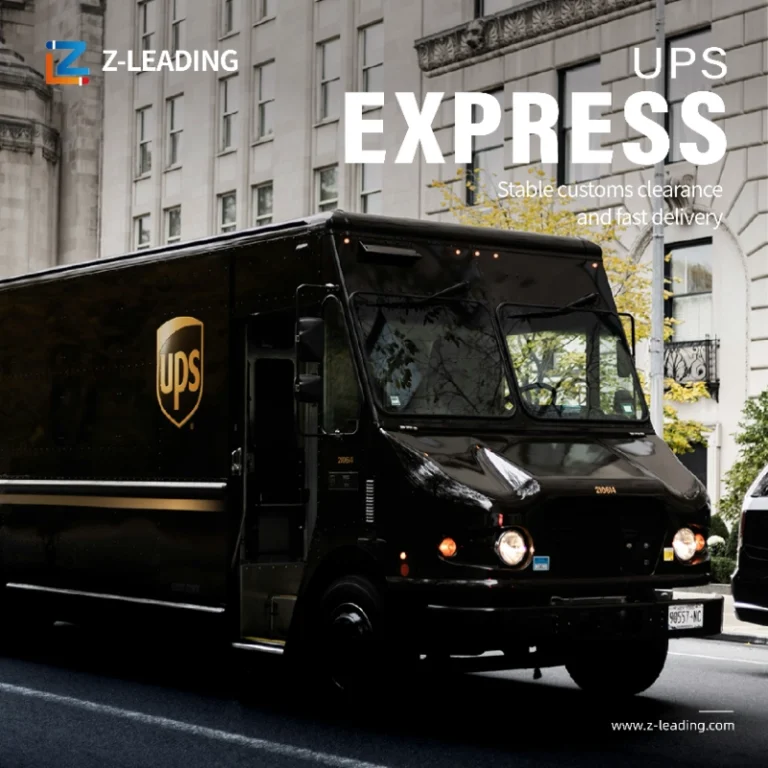
Choose the emergency package delivery service
When choosing the emergency package delivery service, enterprises should not only focus on the transportation speed advertised in the advertisements. A suitable logistics service provider should offer a clear tracking process, destination coverage, customs support, and clear procedures for handling delivery anomalies. Additionally, the service provider should also explain the estimated transportation time and inform about various situations that may affect the delivery progress.
Important selection factors include:
- Availability of tracking information: Confirm whether the latest information on the goods can be obtained during critical transportation and delivery stages.
- Destination coverage: Verify whether the service covers the required countries, regions, and delivery addresses.
- Customs support: Understand whether it includes customs documents, customs procedures, tariffs, and taxes.
- Delivery time: Compare the estimated transportation time at the destination and the service commitment.
- Exception handling: Ask about the investigation methods for delays, misdelivery, or lost packages.
- By comprehensively evaluating these factors, enterprises can choose a service plan that meets their delivery priorities and customer expectations.
How enterprises can reduce the risk of package loss
Logistics service providers play an important role in goods tracking, but enterprises can also take practical measures to reduce various issues related to packages. First, when preparing the delivery note, provide accurate recipient’s name, address, phone number, and postal code. Secondly, the package should be properly packaged and clearly labeled so that the logistics processing department can correctly identify and handle it. Additionally, enterprises should retain transportation records after shipment and promptly update information. If the logistics information fails to be updated within the expected time, contact the logistics service provider immediately and provide the tracking number, transportation documents, and relevant package details. These practices help speed up the investigation process and reduce communication barriers.
Reliable global express transportation support
Z-leading International provides global express solutions for enterprises to meet their needs for coordinating international package transportation. The company’s services include door-to-door delivery arrangements and DDP express options, helping customers manage the entire cargo transportation process within the agreed service scope, covering collection, customs coordination, and final delivery.
For enterprises handling urgent samples, commercial packages, or regular international transportation, a fast door-to-door express service with package tracking functionality is provided to enhance the transparency of the entire logistics process. Customers should provide package size, weight, origin, destination, and delivery requirements before booking to enable the logistics team to assess the appropriate transportation plan.
Conclusion
Real-time tracking plays a crucial role in reducing the uncertainty of parcel management in international transportation. By recording the dynamic of goods transportation, identifying delivery anomalies, and supporting communication between logistics service providers and customers, the tracking system helps to more easily investigate delay situations and locate parcels. Combined with accurate documents, reasonable customs arrangements, and reliable express services, fast door-to-door express delivery can enable enterprises to better control international shipments and provide more reliable logistics guarantees.