
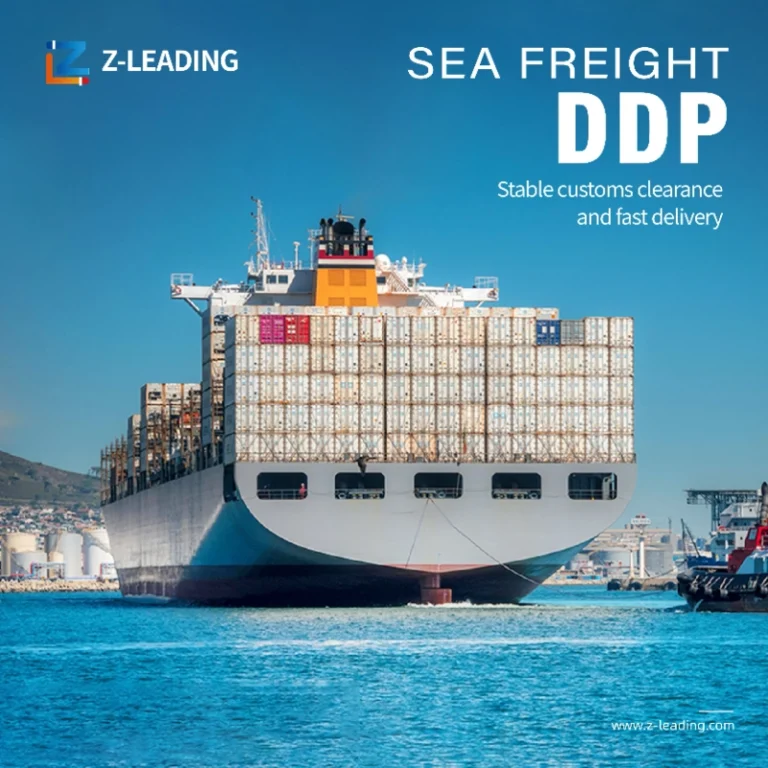
International shipping requires enterprises to coordinate transportation costs with delivery time. Although air transportation is faster, when transporting large quantities of goods across borders, sea transportation remains a more practical option. However, choosing the lowest freight does not always lead to the lowest overall transportation cost. When planning cost-effective port-to-port sea freight, enterprises need to consider factors such as transit time, cargo volume, container utilization, port selection, and additional handling costs.
Understanding port-to-port transportation services
Port-to-port transportation services refer to transporting goods from the designated departure port to the destination port. Unlike door-to-door logistics, such services usually cover the transportation link, while inland truck transportation, customs clearance, and final delivery may need to be arranged separately. Therefore, before comparing different transportation options, enterprises should clearly understand the specific services included in the freight quote.
This transportation method is suitable for companies that already have local logistics partners or prefer to manage customs and inland transportation independently. Additionally, it also allows importers and exporters to coordinate different parts of the supply chain according to their own operational needs. By separating transportation from other logistics activities, enterprises can more clearly assess the cost composition.
How to balance transportation time and freight costs
Just choosing the lowest-priced option is not enough to find the best balance point. Enterprises should compare the estimated arrival time with inventory requirements, production plans, and customer delivery commitments. For example, when the goods are not urgently needed, choosing a transportation method with slightly longer transportation time but significant savings may be more reasonable; conversely, if delays may affect production or miss sales opportunities, paying a higher fee to accelerate transportation speed may be reasonable.
When evaluating cost-effective port-to-port sea freight options, consider the following factors:
- Transportation time: Compare estimated sailing time, transshipment requirements, and the possibility of port congestion.
- Freight rates: Consider the total transportation cost, including port fees at the departure and destination ports.
- Cargo volume: Determine whether full container load (FCL) or less-than-container load (LCL) is more suitable for cargo transportation.
- Shipping frequency: Check the available departure times to avoid unnecessary waiting.
- Cargo preparation: Coordinate production completion, warehouse unloading, and port deadlines.
By comprehensively evaluating these factors, enterprises can avoid choosing an initial rate that is lower but leads to higher transportation costs later.
Choosing full container (FCL) or less-than-container (LCL) transportation services
Cargo volume is one of the main factors affecting international shipping costs. Full container transportation (FCL) allows a single shipper to use a complete container, suitable for large quantities of goods or transportation needs requiring dedicated container space. Full container transportation services can also reduce the need to coordinate the assembly of goods with other carriers, but the total cost depends on container size, transportation routes, and equipment availability.
In contrast, less-than-container transportation (LCL) combines the goods of multiple customers into the same container for transportation. This is very practical when the goods do not fill a full container, as the freight is usually calculated based on the volume or billing weight of the goods. However, less-than-container transportation and unpacking operations may increase operational steps and extend the overall transportation time. Therefore, enterprises should comprehensively compare the total cost of each shipment, not just focus on the freight. For small quantities of goods, less-than-container transportation may be more flexible; while as the quantity increases, full container transportation (FCL) may be more cost-effective. Choosing the appropriate transportation method depends on factors such as the quantity of goods, delivery priority, cargo characteristics, and specific trade routes.
Other factors affecting maritime shipping costs
Maritime shipping rates are influenced by various factors, including demand for routes, fuel prices, cargo carrying capacity of ships, seasonal conditions, and port operation status. Additionally, the freight rates listed in the quotation may not include all the additional costs incurred during the transportation of goods between ports. Enterprises should carefully review the quotation to identify any possible additional costs.
Common cost items include:
- Port of origin handling fees and export document fees.
- Port of destination handling fees and related fees.
- Customs clearance fees, tariffs, and applicable taxes.
- If applicable, cargo inspection, storage, or detention fees.
- If the goods need to be transported from the port, inland transportation costs also need to be borne.
Understanding these costs in advance helps importers to formulate more reasonable transportation budgets and enables a unified comparison of quotations from different logistics service providers.
Planning transportation to reduce delays
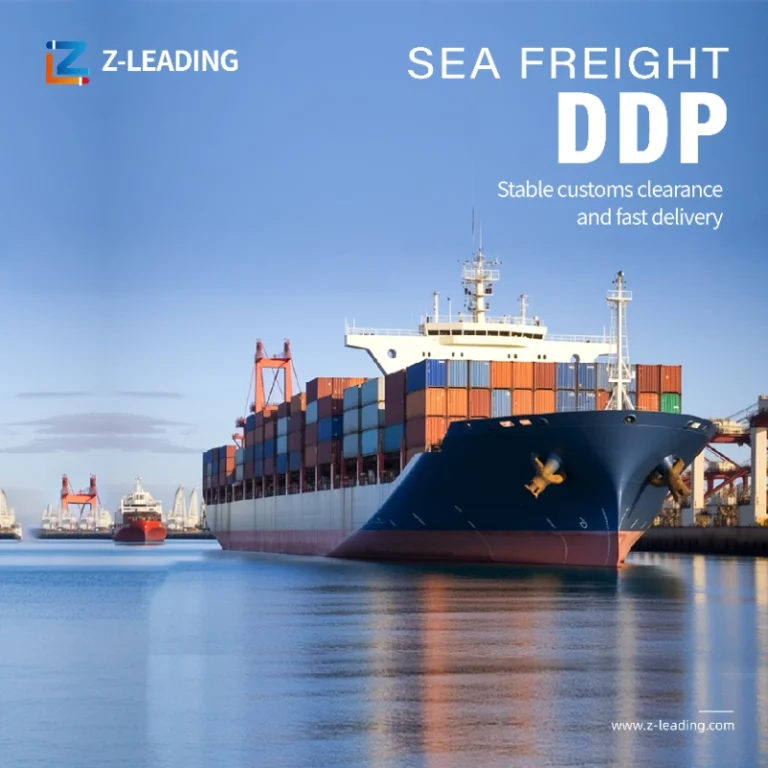
Effective transportation planning can enhance transportation efficiency and control costs. Firstly, enterprises should confirm that the goods are ready before booking ships to avoid additional storage fees or delays in departure if they miss the port deadline. Secondly, they should accurately prepare commercial invoices, packing lists, and other necessary transportation documents to reduce risks caused by customs or document processing delays.
Moreover, when coordinating international cargo transportation, choosing an appropriate sailing plan is also crucial. Enterprises should consider the entire transportation cycle, including goods preparation, port receipt, ship departure, transshipment, and arrival at the destination port. An economically efficient door-to-door maritime solution should match the actual delivery window, rather than relying solely on the shortest transportation time shown in the advertisement.
Collaborating with maritime logistics partners
Reliable logistics partners can assist enterprises in comparing different routes, understanding freight quotations, and coordinating transportation arrangements. Especially experienced freight professionals can explain the differences between direct routes and transshipment routes, as well as the possible impacts of port scheduling and cargo quantity on the delivery plan. This information helps shippers make decisions based on costs and operational requirements.
Z-leading International provides port maritime services for enterprises and assists in arranging international cargo transportation. Its services cover full container (FCL) and less-than-container load (LCL) transportation needs, helping customers evaluate suitable maritime solutions based on cargo details and destination ports. Before confirming the booking, enterprises should provide accurate cargo information, origin port, destination port, and estimated shipping date to enable the logistics team to assess feasible transportation options.
Conclusion
In order to balance transportation time and freight costs, it is necessary to clearly understand the quantity of goods, the condition of shipping routes, port charges, and delivery priorities. Full container and less-than-container-load (LCL) transportation methods are suitable for different transportation needs, and detailed document records and time coordination can help avoid unnecessary expenses. Ultimately, cost-effective port-to-port sea freight is not simply about finding the lowest quotation, but about choosing an appropriate transportation plan that ensures reliable delivery and controls logistics costs.