

International air freight is an efficient way for countries to transport urgent goods, product samples, and high-value items. However, unexpected operational costs, incomplete documents, and delays in airport handling procedures may increase transportation costs and disrupt delivery plans. Airport-to-airport air freight services can help enterprises transport goods from the departure airport to the destination airport, with a clear transportation range. By understanding the service process and fully preparing the goods, enterprises can better control costs and reduce unnecessary delays.
What is “airport to airport” air freight?
“Airport to airport” transportation refers to the air transportation of goods between two designated airports. Unlike “door-to-door” delivery, this service does not include picking up the goods from the sender and delivering them to the recipient’s address. Therefore, unless otherwise agreed, customers need to arrange their own ground transportation and customs clearance procedures at both ends. For enterprises with their own customs brokers or established local logistics partnerships, this model is very applicable.
For enterprises that want to manage their supply chain processes independently, the “door-to-door” air freight service is more flexible. Air freight is particularly suitable for urgent orders, lightweight products, and goods with strict transportation time requirements. However, the actual transportation time arrangement will be affected by factors such as flight routes, flight availability, cargo receipt, and customs procedures. Confirming these details before booking helps to reasonably anticipate delivery times.
Common hidden costs in air freight
The scope of services covered by air freight quotations may vary depending on the logistics service provider and the nature of the goods. Therefore, a lower initial quote does not necessarily mean the final total transportation cost. Additional costs may include origin operations, security checks, document processing, fuel surcharges, destination operations, or additional requirements for special goods. To avoid unexpected expenses, be sure to obtain a detailed quote that clearly lists the included service items and possible additional charges.
Please pay special attention to the following cost factors:
- On-site operation fees: Fees related to goods receipt, transportation within the terminal, and pre-flight preparations.
- Security inspection fees: Fees related to the security inspection procedures for the goods.
- Document processing fees: Fees related to preparing or processing transportation documents.
- Destination operation fees: Fees related to the handling of goods upon arrival at the destination airport.
- Storage fees and detention fees: If the goods are stored at the port or airport for more than the allowed free storage period, additional fees may apply.
- Special cargo fees: Additional fees for oversized items, dangerous goods, temperature-controlled goods, or other restricted goods.
In addition, please note that the quote is based on either “actual weight” or “volume weight” for calculating billing weight. Since air freight costs usually take the higher of the two values, providing accurate dimensions and weight information can help avoid subsequent billing adjustments.
How to prevent transportation delays
Comprehensive preparation is one of the most effective ways to reduce avoidable delays. Before booking a flight, confirm the size, weight, packaging requirements, product name description, and any relevant restrictions that may affect air transportation. Also, ensure that the information in the commercial invoice, packing list, and other transportation-related documents is consistent. If information is missing or inconsistent, it may lead to additional inspections, cargo detention, or the need to re-plan the shipping schedule.
Enterprises can prepare for shipping as follows:
- Before arranging for the goods to be sent to the airport, confirm the flight schedule and the deadline for receiving the goods.
- Prepare accurate commercial invoices, packing lists, and other transportation-related documents.
- Verify if the goods require special handling or additional transportation documents.
- Coordinate with customs clearance and destination pick-up procedures in advance of the goods arriving.
- Update the logistics tracking information and clearly define which party is responsible for handling any changes in the transportation plan.
These preparatory measures help all parties clarify their respective responsibilities, thereby effectively reducing various avoidable transportation delays caused by incomplete information or insufficient coordination.
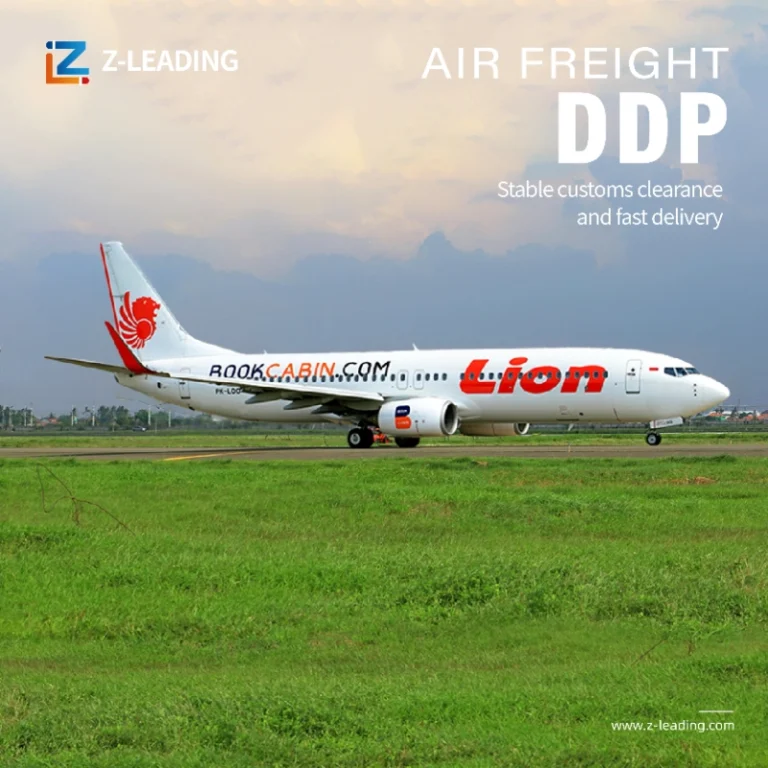
How to Choose the Right Airport Freight Service
A reliable airport freight service should offer clear quotations, practical route suggestions, cargo handling information, and timely updates on transportation status. When choosing a service provider, enterprises should not only consider the price as the sole factor, but also comprehensively evaluate the service scope. The estimated transportation time, available flights, destination handling arrangements, and communication standards all affect the overall logistics experience. Additionally, it is necessary to confirm whether the service includes customs clearance, insurance, and local transportation, or if it is provided as an additional service separately.
For enterprises seeking aviation freight logistics solutions, coordinating work is as important as actual transportation. The complete process should cover booking, document processing, cargo receipt, flight tracking, and destination arrangement. Moreover, before the goods leave the departure airport, the enterprise should clearly define which party is responsible for customs clearance and final pickup. This approach helps ensure seamless connection between the air transportation service and the subsequent logistics stage.
How Z-leading International Helps with Aviation Freight
Z-leading International offers “airport to airport” air freight services to assist enterprises in coordinating international cargo transportation. This service focuses on the transfer of goods between the departure airport and the destination airport, making it ideal for enterprises that wish to handle customs clearance and local distribution themselves. In addition, professional coordination services and full cargo tracking functions ensure that customers can always keep track of the transportation progress.
Before booking, enterprises should provide accurate cargo information and confirm the complete service scope. If “door-to-door” delivery or customs clearance assistance is required, it should be negotiated separately and confirmed in writing. During the quotation stage, adequate communication helps customers clearly understand potential costs, responsibilities, and time arrangement requirements, thus reaching an agreement before confirming the transportation commission.
Conclusion
The “airport-to-airport” air freight model provides a flexible and efficient solution for international cargo transportation. By carefully reviewing quotations, confirming the bill weight, preparing accurate documents, and arranging the handling procedures at the destination in advance, enterprises can effectively reduce unexpected costs and avoid many preventable delays. When the transportation scope and responsibilities of all parties are clearly defined before shipment, the “airport-to-airport” air freight services can achieve their best efficiency.