
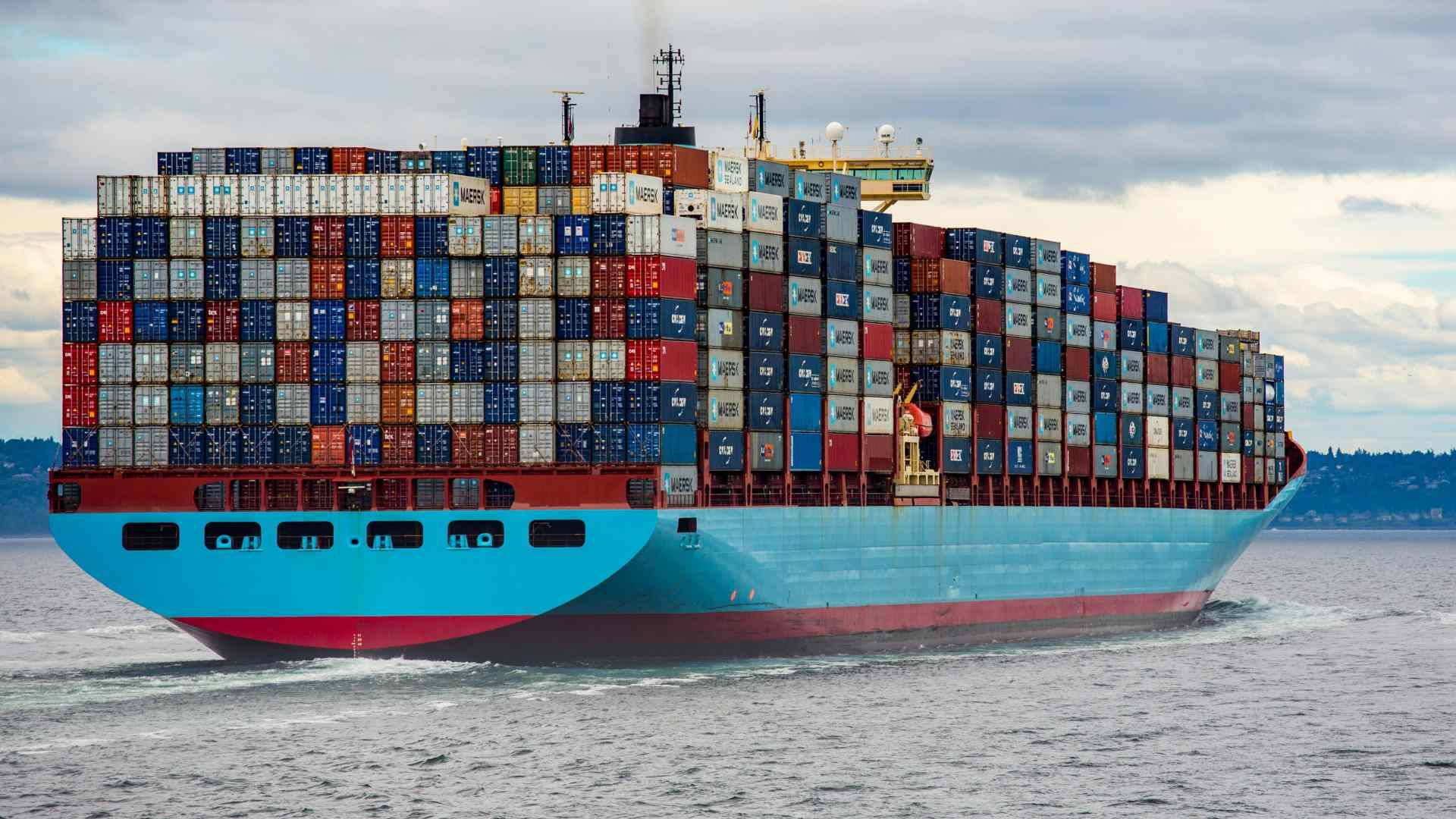
The global maritime transport sector is undergoing a crucial period of adjustment. Following a period of sharp rate increases, ocean freight prices are now experiencing significant fluctuations. Major trade lanes are showing increasingly different trends. Meanwhile, export demand is changing rapidly, driven by emerging sectors such as artificial intelligence (AI), robotics, and innovative pharmaceuticals. Z-leading International, an international logistics provider, focuses on European and US markets. The company analyzes current logistics conditions from a frontline perspective and provides insights into future transport trends.
Ocean Freight Rates: Growing Route Disparities and Slowing Market Growth
Analysis of the latest global freight market trends reveals that ocean freight rates are no longer rising uniformly. Notably, vastly different market environments are observed on routes between China and the US compared to those between China and Europe. US Routes: Persistent High Freight Rates, Yet Signs of Adjustment
The US maritime transport market maintains relatively high freight rates. Several factors explain this situation. First, uncertainty surrounding tariff policies is prompting many companies to accelerate shipments ahead of policy changes. Consequently, this heightened demand places additional pressure on available transport capacity. Second, reduced shipping efficiency due to water-level restrictions in the Panama Canal is impacting vessel schedules, particularly for services bound for the US East Coast. Furthermore, weather-related disruptions along the Chinese coast are causing cargo delays, further reducing available space. However, despite sustained demand, market indicators suggest a gradual slowdown in the rise of freight rates. Companies should therefore closely monitor booking levels when planning future shipments.
European routes: Downward trend due to demand-side pressure
Compared to US routes, European routes are facing greater pressure. Key factors include weak consumer spending, increased transport capacity from new vessels, and a lessening impact from the Red Sea route diversions. As some shipping lines gradually resume services via the Suez Canal, new capacity is entering the market. Consequently, freight rates to Europe are undergoing a gradual downward correction. It is essential for exporters to understand these route-specific dynamics, as a transport strategy that works in one market may not be effective in another. Global demand: growth continues, but expansion is slowing. Although the logistics market is undergoing a correction, global demand remains robust. International trade indicators show that global merchandise trade volumes continue to exceed historical trend levels, driven by strong demand for technology products such as AI components and electronics.
However, the outlook for future growth suggests a slowdown in the pace of expansion. Currently, the shipping sector is not experiencing a significant shortage of nominal vessel capacity; rather, it is port congestion, schedule delays, and route changes that are impacting actual transport capacity. China’s export performance remains a key factor driving global demand for logistics services. Its robust manufacturing capabilities and integration into international supply chains continue to generate significant freight volumes across a wide range of sectors. Logistics situation on the ground: Saturated transport capacity and rising booking risks.
Based on Z-leading International’s operational experience, the most significant recent market shifts are tighter booking conditions and an increased risk of container roll-overs. Previously, shipment planning required longer lead times. Booking procedures that could be handled 2 to 3 weeks in advance may now require booking 3 to 4 weeks in advance during peak season. Furthermore, vessel delays and schedule changes are frequent.

To address these challenges, Z-leading International offers proactive logistics support, including:
- Advance space booking: Helping clients secure available shipping space ahead of peak demand periods.
- Pre-verification of documents: Minimizing customs clearance issues caused by incomplete shipping documentation.
- Comprehensive tracking: Monitoring shipment status from departure to final delivery.
- Route diversification: Supporting businesses in reaching key markets such as Europe, North America, and the Middle East. These measures enable companies to reduce uncertainty and improve transport stability in a constantly evolving market environment.
Analysis of key maritime transport markets
Market factors, current situation, and impact on exporters
Ocean freight rates: remaining high following a sharp increase; need for flexible shipment planning
Routes to the United States: high demand and limited transport capacity; booking
If you are planning shipments for October or would like to explore logistics solutions for a specific product category or market, please feel free to get in touch with Z-leading International.