
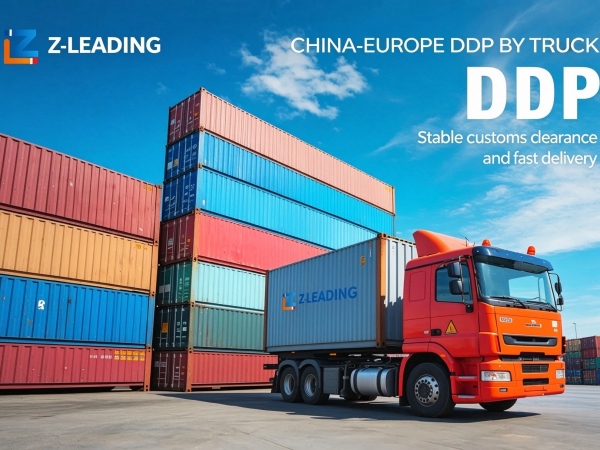
Cross-border transportation to Europe involves multiple steps, including cargo transportation, customs clearance, import duties, taxes, and final delivery. If these processes are handled separately, they will increase the operational burden of the enterprise and make it more difficult to control logistics costs. The road DDP trucking service integrates all these processes through a coordinated transportation plan. Enterprises can combine road transportation with customs procedures and door-to-door delivery, thereby simplifying the import process and enhancing the overall transportation experience.
What Is the Road DDP Trucking Service?
The road DDP trucking service is a transportation arrangement that combines international road transportation with Delivered Duty Paid (DDP) terms. In this mode, the logistics service provider coordinates all the steps, including transportation, customs clearance, import duties, taxes, and final delivery, according to the agreed service scope. Therefore, importers do not need to contact multiple service providers for each step, but can manage the goods through a more integrated logistics system.
For enterprises transporting goods from China to European destinations, road transportation is a practical choice for cross-border freight. Trucks transport the goods along existing road routes, while the DDP (door-to-door) service handles the agreed import-related procedures and delivery responsibilities. Therefore, enterprises can focus more on procurement, sales, and inventory planning, without having to handle various logistics details themselves.
How does the road DDP transportation service simplify the delivery process?
The road DDP trucking service integrates the main transportation steps into a unified arrangement, thereby simplifying the cross-border delivery process. Enterprises do not need to separately arrange for goods pick-up, international transportation, customs procedures, and destination delivery, but can collaborate with the logistics team to manage the entire transportation process throughout. This model also makes communication smoother because the entire transportation process follows a unified service plan.
The main stages typically include:
- ll Goods pick-up: The logistics team is responsible for arranging pick-up from the agreed factory, warehouse, or loading location.
- ll International road transportation: Trucks transport the goods to the destination country or the designated European distribution area.
- ll Customs document processing: Preparation of the necessary transportation documents and declaration files for import.
- ll Customs clearance: The goods pass through the corresponding customs procedures based on the details of the goods and the requirements of the destination.
- ll Final delivery: After all necessary procedures are completed, the goods will be delivered to the agreed receiving address.
By coordinating these different steps, the service provider can help importers reduce the need to communicate with multiple logistics companies. At the same time, enterprises can have a clearer understanding of the cargo transportation process and the scope of responsibilities covered in the service agreement.
How does the road DDP clearance reduce the complexity of imports?
Clearance is an important stage in international transportation because the goods must meet the import requirements of the destination country. Incorrect or incomplete documents may result in additional inspections, delays, or unexpected administrative procedures. Therefore, enterprises should confirm the required documents and goods information before the transportation begins. In the road DDP clearance service, the logistics team will coordinate relevant documents, declarations, and import procedures according to the agreed DDP service scope. Import duties, taxes, customs fees, and related charges can also be included in the quotation, subject to the terms of the service agreement. This way, importers can have a clearer understanding of the relevant costs before confirming the shipment.
However, DDP does not exempt the obligation to provide accurate information about the goods. Enterprises should provide correct descriptions of the goods, quantities, values, and other necessary details, and should confirm the coverage of costs and processes in the quotation, as the requirements and exclusion items for different destinations may vary.
Why is road cross-border transportation suitable for European goods distribution?
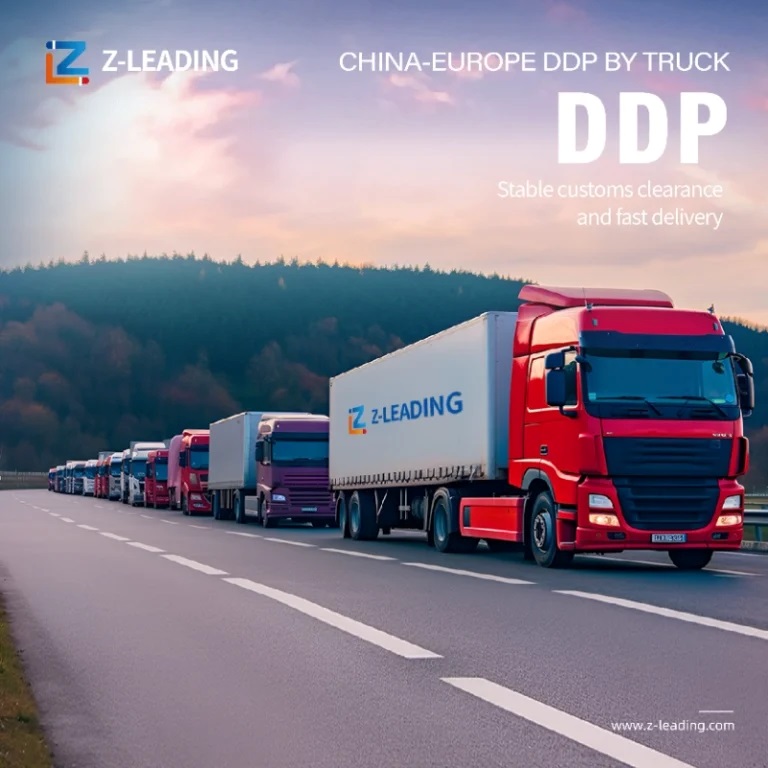
Road cross-border transportation connects different markets through an integrated land transportation network. For the trade between China and Europe, the logistics method mainly based on trucks provides an alternative to sea or air transportation. Its applicability depends on factors such as the type of goods, destinations, transportation time arrangements, and overall logistics budget. In addition, road transportation helps achieve coordinated transportation from the pick-up location to the final delivery address. When combined with door-to-door (DDP) services, it can reduce the number of independent logistics links that importers need to manage. However, before choosing a transportation plan, enterprises should evaluate the proposed routes, expected transportation times, and delivery conditions.
What should importers confirm before shipping?
One of the advantages of door-to-door (DDP) service is that it can clearly define transportation and import-related costs in advance. According to the information provided by Z-leading International regarding road freight DDP services, this service covers all aspects of transportation, customs declaration, taxes, tariffs, and final delivery. The quotation may include import taxes, duties, customs fees, and related additional expenses, helping enterprises accurately understand the expected transportation costs.
Before booking, importers should pay attention to the following matters:
- l Transportation scope: Confirm the pickup location, destination address, and delivery area.
- l Customs responsibility: Verify who is responsible for document coordination, declaration, and import customs clearance.
- l Inclusive taxes: Check if the quotation includes tariffs, taxes, customs fees, and other related expenses.
- l Additional charges: Ask if there are specific destination-related fees or service exclusions.
- l Delivery arrangements: Confirm the delivery address, unloading responsibility, and other agreed delivery conditions.
These verifications help avoid misunderstandings and support more accurate logistics budgeting. Moreover, clear quotations allow enterprises to compare the service scope of different service providers, rather than relying solely on freight price evaluations.
How can enterprises choose a suitable DDP road freight partner?
Just comparing transportation quotations is not enough to select a suitable logistics service provider. Enterprises should also consider whether the supplier can integrate the pickup of goods, international road transportation, customs procedures, and final delivery into a clear service. Transparent communication is also crucial when confirming import documents or destination requirements. When the supplier clearly states their responsibilities, included costs, and delivery arrangements, road DDP freight services can simplify the European goods transportation process. Therefore, importers should carefully review the service scope before confirming the order and provide complete goods information.
Conclusion
When transporting goods within Europe, various procedures such as transportation coordination, customs clearance, import fees, and final delivery need to be handled. The integrated door-to-door (DDP) service integrates these processes, helping enterprises reduce the workload of independent logistics management and better understand the costs covered by the freight quotation. Through clear service responsibilities and comprehensive document management, road freight can assist enterprises in achieving a more orderly cross-border trade model. Z-leading International provides road freight DDP solutions covering transportation, customs clearance, tariffs, taxes, and final delivery, helping enterprises coordinate cross-border transportation business under a single logistics arrangement.