
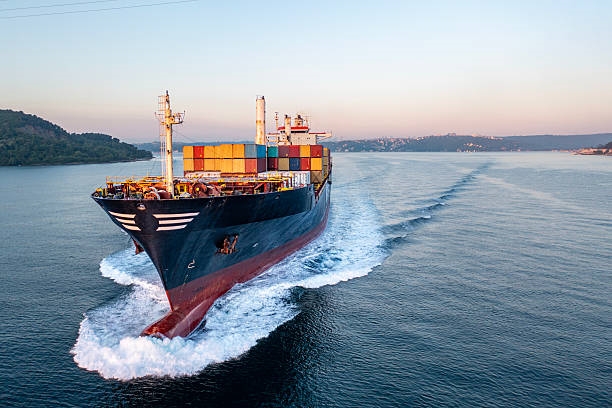
The traditional peak season acceleration for Q4 is underway, straining global logistics networks. Inventories for the holidays are being moved up, coupled with tightened capacity for ocean freight due to general rate increases and peak season surcharges on major routes.
U.S. West Coast & East Coast: Full Loads, Higher Surcharges
In Q3, demand for expedited ocean services extended to full bookings. In Q3, expedited ocean services were fully booked due to early Christmas stocking by major retailers and peak season adjustment programs by major ocean carriers, which included surcharges and cost increases. Draft restrictions in the Panama Canal have prompted some carriers to charge separate fees for canal transit on East Coast routes, boosting costs there. Given the uncertainty of spot freight, bookings should be made at least two weeks in advance to secure capacity.
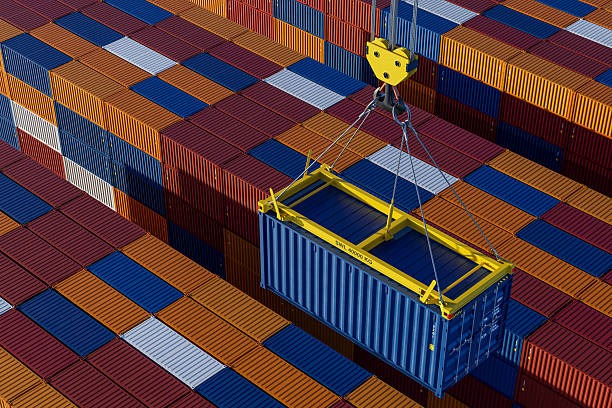
Q4 inventory build requires goods to arrive early. Many consolidation warehouses have deadlines as early as September for inbound cargo. Heavy cargo is already being rejected from many warehouses. Using multiple overseas warehouses can minimize stockouts and refusals, especially for retailers relying on their own stores to meet sales.
China-Europe Rail: Stable Transit, Strong Contingency Option
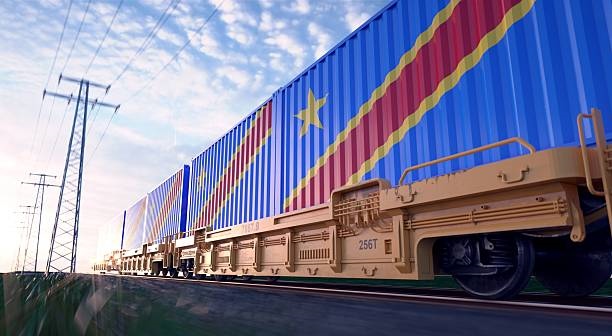
China-Europe rail services have seen high growth in filled containers and trains for the first seven months, driven by automotive cargo of finished vehicles and parts. This is largely due to automotive cargo of both finished vehicles and parts. There are plenty of options, stable transit times, and no delays due to the canal. Rail is a good alternative to some of the congestion in the ocean services.
Common Questions Shippers Are Asking Right Now
With peak season complexities, we’ve been hearing similar concerns from clients across industries. Here are the answers to the most frequent ones.
Q: How far in advance should I book ocean freight?
A: At least two weeks, ideally three if your cargo is headed to the U.S. East Coast.
Q: Are warehouse cutoffs really as early as September?
A: Yes, many consolidation hubs have already set September deadlines for holiday inventory. If goods aren’t moving by mid-September, you risk missing store shelves.
Q: Is China-Europe rail a reliable backup?
A: A: It is. Transit times are stable, capacity is growing, and there are no canal-related disruptions.
Q: What happens if my cargo gets rejected at the warehouse?
A: A multi-warehouse strategy pays off. Having storage options in different regions gives you flexibility.
About Z-LEADING
Founded in 2013, Shenzhen Z-leading International Logistics Co., LTD. has built and continues to expand a reliable global logistics network for more than a decade.We operate 30,000 square meters of company-owned warehousing across Guangdong, Zhejiang, Beijing, the United States, and Europe. Our team of 500 professionals worldwide handles each shipment with attention that comes from experience. We are a first-class agent for DHL, UPS, and FedEx, with independent label printing and fast dispatch capabilities. We specialize in transporting hazardous goods like batteries and new energy products, an area where many forwarders hesitate.
Our promise is simple: no tricks, only service.
Comprehensive Logistics Solutions
We provide reliable, fully compliant logistics solutions tailored to global businesses. With deep industry experience and a customer-first approach, we simplify supply chains and keep cargo moving smoothly across borders. Smarter Supply Chain Management: We combine practical technology with efficient operations to optimize freight forwarding, warehousing, customs clearance, and transportation. Our focus is on reducing complexity, improving visibility, and making supply chains work better. Your Trusted Logistics Partner: We believe in long-term relationships built on dependable service, honest communication, and continuous improvement. From local distribution to international logistics, Z-LEADING helps businesses grow with confidence.