
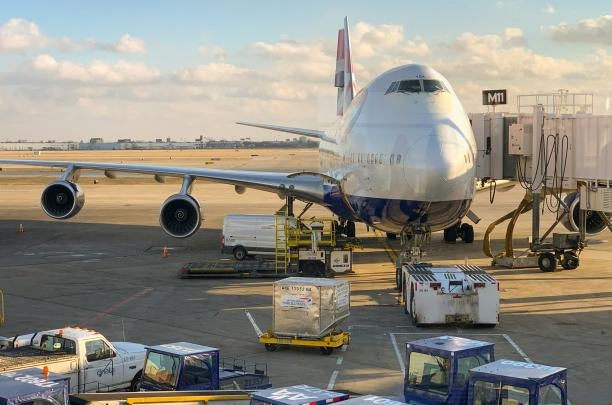
International air freight plays a crucial role in global trade, especially when companies need to move goods quickly between major markets. However, the success of air transport is not limited to the flight itself. To ensure efficient shipments, companies must coordinate several stages: cargo acceptance, export documentation, airport handling, customs procedures, and arrangements for destinations. “Airport-to-airport” freight forwarding services provide a structured framework that connects departures and arrivals to airports, giving companies greater control over critical air transport processes.
What is airport-to-airport freight forwarding?
In airport-to-airport freight services, goods are transported from the departure airport to the destination airport. The service typically includes elements such as booking cargo space, air transport, and airport handling, depending on the agreed scope. Unlike “door-to-door” shipping, this service generally does not include the collection of goods from the shipper, or the final delivery of the goods to the address of the recipient. Therefore, it is essential that the company verify which party is responsible for receiving, clearing, and continuing the transport before making any reservation.
How does that help connect global logistics hubs?
1. Connects to major international airports
Large airports are strategic transit points for international freight, connecting regions through established air networks. Freight forwarders coordinate bookings and cargo transfers between these hubs, taking into account the cargo’s destination, size, weight, and time constraints. Furthermore, access to a variety of routes allows companies to evaluate available transport options, even with limited direct connections. This connection facilitates the flow of commercial goods between production hubs, distribution centers, and foreign markets.
2. Coordinate cargo transfers
Air freight can be carried by direct flights or through transfers at intermediate airports. When a shipment needs to be forwarded, accurate booking information and rigorous coordination among the processing teams become critical. Additionally, freight forwarders must consider flight schedules, cargo acceptance deadlines, and specific handling requirements. By coordinating these elements in advance, companies can minimize avoidable processing delays and optimize their shipment plans.

Key Advantages of International Shipping Services
Providers of airport-to-airport freight forwarding (offering “airport-to-airport” solutions) deliver significant benefits to companies engaged in international trade. The value of these services depends on the nature of the cargo, the destination, the delivery terms, and the level of logistical support required. Faster long-distance transport: Air freight significantly reduces transit times compared to many maritime routes—a crucial factor for urgent shipments or those subject to strict deadlines.
- Access to global markets: Connections between international airports enable companies to engage with clients and distribution centers located abroad.
- Route flexibility: Depending on airline schedules and available cargo capacity, shipments can be transported via direct flights or connecting routes.
- Clear delineation of transport responsibility: By separating the “airport-to-airport” leg from the pre-airport transport or final-mile delivery, companies can precisely determine which logistical tasks they need to manage themselves.
- Improved shipment planning: Confirmed flight schedules and cargo handling requirements facilitate inventory management and supply planning—though it is worth noting that schedules remain subject to change.
Important Factors to Consider Before Booking
Selecting the right air freight option requires careful preparation. The shipper must evaluate the dimensions, gross weight, and nature of the cargo, the destination, the desired delivery timeframe, and any specific handling requirements. Furthermore, the cost of air freight may depend on the “chargeable weight,” which is typically calculated based on either the actual weight or the volumetric weight, in accordance with the carrier’s rules. Verifying the necessary documentation, security requirements, customs obligations, and airport ground handling charges in advance helps to avoid unexpected costs.
Optimizing Air Freight Coordination
A well-organized transportation process relies on accurate information regarding the cargo and effective communication among all involved parties. Before the cargo is accepted for transport, the company must prepare commercial invoices, packing lists, and any other required export documentation. It is also essential to clarify timelines, flight availability, transit conditions, and the procedures for handling the cargo at the destination. Finally, clearly defining responsibilities for customs clearance and onward transportation helps prevent logistical disruptions once the cargo arrives at the destination airport.
Partnering with Specialized Freight Experts
Specialized logistics providers help companies ship goods to international markets. They coordinate bookings, airport ground handling, and air transportation. Z-Leading International can assess your air freight requirements based on cargo type, origin, destination, and delivery schedule. Before confirming a shipment, request a detailed quotation. Clarify the service scope, potential extra charges, and responsibilities at each airport. Such preparation fosters realistic expectations and ensures smoother coordination throughout every stage of the transportation process.
Conclusion
Freight forwarders specializing in airport-to-airport transport connect international logistics hubs through coordinated air freight management. They handle flight bookings, airport ground handling, and shipment information. As a result, companies can move goods between markets while maintaining better control over key transportation stages. However, cargo collection, customs clearance, and final delivery may require separate services unless the commercial proposal specifies otherwise. Through accurate documentation, suitable route selection, and clearly defined responsibilities, companies can manage international air freight shipments more efficiently.