
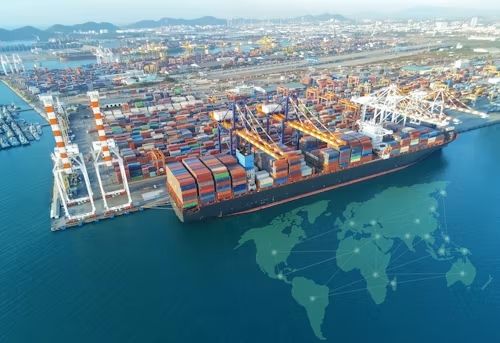
International ocean freight involves numerous stages—from cargo consolidation and the preparation of export documentation to customs clearance and final delivery. Managing these steps individually can lead to communication gaps, unexpected additional costs, or difficulties in tracking the status of a shipment. The DDP (Delivered Duty Paid) ocean freight model consolidates all these logistics services into a single agreement, simplifying freight management and providing businesses with clear visibility into total costs. Understanding how this service works helps importers and exporters make informed decisions.
What is DDP (Delivered Duty Paid) Ocean Freight?
All-inclusive DDP ocean freight, the seller is responsible for arranging the transport of goods, handling export and import customs clearance, and covering all taxes, duties, and other associated costs incurred until the goods reach the agreed-upon destination. It is important to note that, unless otherwise agreed, the responsibility for unloading the goods from the transport vehicle typically falls to the buyer. Through this “all-inclusive” service, various tasks are integrated into a single freight agreement, eliminating the need for businesses to coordinate with multiple service providers.
How Integrated Logistics Management Saves Time
1. Coordinated Management of Freight and Documentation
Integrated logistics management consolidates the various stages of the supply chain into a streamlined, unified process. A single provider can coordinate cargo pickup, ocean transport, customs clearance, and final delivery. This reduces the need to manage multiple service providers. Centralized documentation also helps identify missing paperwork before customs clearance. Meanwhile, separate providers may cause fragmented updates and communication gaps. In contrast, integrated shipping offers clearer tracking and helps teams address delays promptly. Consequently, importers can more effectively plan for warehousing, inventory replenishment, and the estimated arrival time of their goods.
2. More efficient shipment tracking
Sea freight involves several milestones, including cargo collection, export clearance, vessel departure, arrival, import clearance, and inland delivery. When different parties manage these steps independently, shipment updates can be fragmented or arrive at different times. Coordinated service provides a clear channel for checking progress and identifying delays that require attention. Consequently, importers can plan warehouse capacity, stock replenishment, and distribution schedules more effectively, although actual transit times still depend on routes, carrier schedules, port conditions, and customs processing.
How DDP helps manage shipping costs and risks
1. Clear upfront cost planning
Freight rates alone do not represent the full cost of importing goods.Shipping costs include origin handling, sea freight, destination charges, customs brokerage, duties, taxes, and inland delivery. All-inclusive DDP ocean freight combines specified costs into a clear estimate. This helps businesses plan budgets and compare shipping options.
2. Improved customs coordination
Customs documentation errors and incomplete product information can lead to inspections, clearance delays, and additional expenses. A coordinated provider can help organize shipping documents and communicate clearance requirements before the goods arrive. In addition, businesses should supply accurate product descriptions, declared prices, tariff classifications, and any required compliance documentation. Since import regulations vary between countries, the seller and the logistics provider should confirm whether the required import formalities can be legally completed in the destination market.
Key steps to a smooth shipping process
- Businesses can improve shipment coordination by preparing the necessary information prior to cargo collection. The following steps can help reduce avoidable problems throughout transportation and delivery.
- Confirm merchandise details: Provide accurate product description, dimensions, weight, packaging information, and final delivery address.
- Review the quote: Check which transportation charges, fees, taxes, customs services, and delivery costs are included.
- Clarify Responsibilities: Confirm the roles of the vendor, buyer, and logistics provider, including who will act as the importer of record where applicable.
- Preparing customs documents: Ensure that invoices, packing lists, and other required documents contain accurate and consistent information.
- Monitor shipment progress: Maintain communication during transportation and customs clearance so that missing documents or unexpected delays can be promptly addressed.
- Selecting an appropriate DDP ocean freight service
When choosing a shipping provider, businesses should check its experience with the destination country. They should also review customs coordination, communication, delivery coverage, and quotation details. In addition, confirm whether cargo insurance is included. DDP does not automatically require the seller to purchase insurance. Z-Leading International helps businesses explore coordinated shipping options. Service scope and destination coverage depend on each shipment’s requirements.
Conclusion
All-inclusive DDPs can simplify international shipping by coordinating ocean freight transportation, customs clearance, and applicable duties and taxes. Through centralized communication and clear cost planning, businesses can reduce administrative work and more effectively manage common logistics risks. However, the benefits depend on transparent quotes, accurate documentation, and clearly defined responsibilities. Confirming these details before shipping helps businesses organize ocean freight. It also supports smoother international deliveries.