


Fast Door-to-Door Express Delivery: Why Real-Time Tracking Prevents Lost Parcels in Global Shipping
International parcel transportation involves multiple transportation stages, different handling facilities, and customs procedures. During this process, parcels may pass through multiple carriers, sorting centers, airports, and local distribution networks before reaching the recipient. Without accurate transportation information, businesses will have difficulty promptly detecting delays or locating lost parcels. Therefore, combining fast door-to-door express services with real-time tracking capabilities helps enhance transportation transparency, reduce delivery uncertainty, and support more reliable international logistics. Understanding Door-to-Door Express Services Door-to-door delivery is a transportation service that transports parcels directly from the sender’s designated location to the recipient’s address. Unlike port-to-port or airport-to-airport transportation, this service covers more stages of the logistics process, including pick-up, international transportation, customs coordination, and last-mile delivery. Thus, businesses can reduce the need to coordinate multiple transportation service providers on their own. Professional express services are particularly suitable for companies that need to send samples, business documents, small packages, and
Economical and efficient port-to-port transportation: Balancing transportation time and freight costs
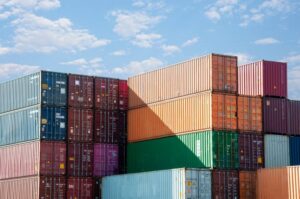
International shipping requires enterprises to coordinate transportation costs with delivery time. Although air transportation is faster, when transporting large quantities of goods across borders, sea transportation remains a more practical option. However, choosing the lowest freight does not always lead to the lowest overall transportation cost. When planning cost-effective port-to-port sea freight, enterprises need to consider factors such as transit time, cargo volume, container utilization, port selection, and additional handling costs. Understanding port-to-port transportation services Port-to-port transportation services refer to transporting goods from the designated departure port to the destination port. Unlike door-to-door logistics, such services usually cover the transportation link, while inland truck transportation, customs clearance, and final delivery may need to be arranged separately. Therefore, before comparing different transportation options, enterprises should clearly understand the specific services included in the freight quote. This transportation method is suitable for companies that already have local logistics partners or prefer to
Eurasian Railway Freight DDP Service: Why Stable Shipping Time is Crucial for Cross-Border Trade
International enterprises need logistics solutions that can balance transportation speed, cost, and supply chain stability. For enterprises transporting goods between China and Europe, railway freight is an alternative to traditional sea and air transportation. Railway transportation is usually shorter than sea routes and avoids the higher costs of air transportation. Therefore, for enterprises that require more predictable cross-border freight delivery times, railway transportation is a feasible option. The China-Europe railway freight DDP service combines railway transportation with customs clearance, import duties, taxes, and final delivery. Enterprises do not need to coordinate multiple logistics service providers and can manage the entire freight process through a single service plan. This approach also helps to understand the transportation process better and plan inventory more reasonably based on the estimated arrival date. Therefore, the Railway Freight DDP Service provides strong support for enterprises that prioritize cost control and stable delivery. Why is stable shipping
Door-to-door sea freight DDP: Why all-inclusive pricing is crucial for e-commerce sellers
Door-to-door sea freight DDP provides e-commerce sellers with a comprehensive international logistics solution covering multiple stages of the transportation process. According to the “Delivered Duty Paid” (DDP) clause, the seller or agent is responsible for transporting the goods to the designated destination and bearing the related import duties and taxes. This service includes supplier pickup, sea transportation, customs clearance, payment of import duties and taxes, and final delivery. Therefore, enterprises can manage international freight through coordinated logistics arrangements without having to handle each step separately. For e-commerce sellers, transportation costs directly affect product pricing, profit margins, and customer satisfaction. Therefore, it is crucial to fully understand all transportation costs before shipping. Adopting all-inclusive pricing enables enterprises to more effectively plan transportation budgets and reduce uncertainty when arranging overseas shipments. Why all-inclusive pricing is crucial for e-commerce sellers International transportation not only includes basic shipping costs but may also include additional
Airport-to-airport air freight services: How to avoid hidden costs and transportation delays
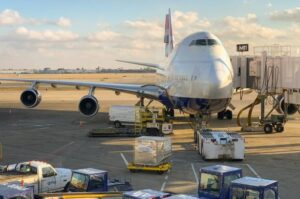
International air freight is an efficient way for countries to transport urgent goods, product samples, and high-value items. However, unexpected operational costs, incomplete documents, and delays in airport handling procedures may increase transportation costs and disrupt delivery plans. Airport-to-airport air freight services can help enterprises transport goods from the departure airport to the destination airport, with a clear transportation range. By understanding the service process and fully preparing the goods, enterprises can better control costs and reduce unnecessary delays. What is “airport to airport” air freight? “Airport to airport” transportation refers to the air transportation of goods between two designated airports. Unlike “door-to-door” delivery, this service does not include picking up the goods from the sender and delivering them to the recipient’s address. Therefore, unless otherwise agreed, customers need to arrange their own ground transportation and customs clearance procedures at both ends. For enterprises with their own customs brokers or

One-Stop Procurement and Payment Services: Why Secure Transactions Are Crucial for Cross-Border E-Commerce
Cross-border e-commerce provides enterprises with opportunities to explore new markets and expand their supply chains. However, international procurement also comes with numerous challenges, such as payment security, supplier verification, communication barriers, and order coordination. Reliable one-stop procurement & payment services can handle these matters through a coordinated process, helping enterprises manage them properly. As a result, buyers can not only reduce avoidable risks but also significantly improve procurement efficiency. Why is secure transaction crucial in cross-border e-commerce? International procurement often involves different currencies, business practices, and payment processes. Therefore, before placing an order, buyers must verify the supplier’s qualifications, confirm product specifications, and clarify payment terms. Properly keeping records such as quotations, invoices, and inspection results can help avoid misunderstandings. Moreover, maintaining smooth communication between the buyer and seller not only makes the transaction smoother but also helps build a more stable business relationship. How does the one-stop procurement &
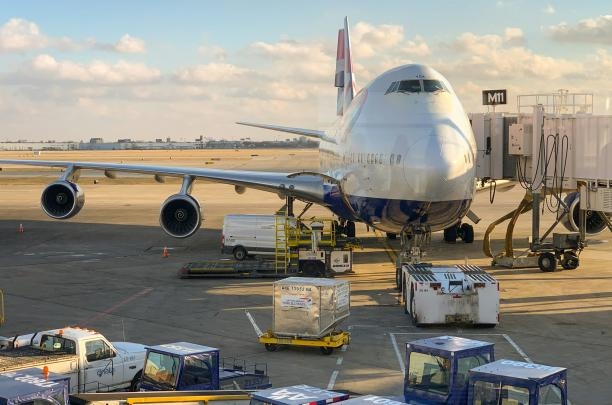
Airport-to-Airport Freight: An Effective Solution for Connecting Global Logistics Hubs
International air freight plays a crucial role in global trade, especially when companies need to move goods quickly between major markets. However, the success of air transport is not limited to the flight itself. To ensure efficient shipments, companies must coordinate several stages: cargo acceptance, export documentation, airport handling, customs procedures, and arrangements for destinations. “Airport-to-airport” freight forwarding services provide a structured framework that connects departures and arrivals to airports, giving companies greater control over critical air transport processes. What is airport-to-airport freight forwarding? In airport-to-airport freight services, goods are transported from the departure airport to the destination airport. The service typically includes elements such as booking cargo space, air transport, and airport handling, depending on the agreed scope. Unlike “door-to-door” shipping, this service generally does not include the collection of goods from the shipper, or the final delivery of the goods to the address of the recipient. Therefore, it
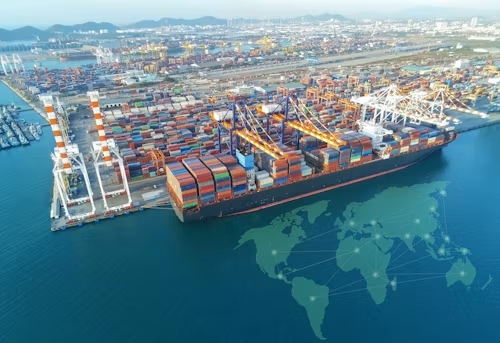
DDP (Delivered Duty Paid) Ocean Freight: Saving Time and Reducing Risk Through Integrated Logistics Management
International ocean freight involves numerous stages—from cargo consolidation and the preparation of export documentation to customs clearance and final delivery. Managing these steps individually can lead to communication gaps, unexpected additional costs, or difficulties in tracking the status of a shipment. The DDP (Delivered Duty Paid) ocean freight model consolidates all these logistics services into a single agreement, simplifying freight management and providing businesses with clear visibility into total costs. Understanding how this service works helps importers and exporters make informed decisions. What is DDP (Delivered Duty Paid) Ocean Freight? All-inclusive DDP ocean freight, the seller is responsible for arranging the transport of goods, handling export and import customs clearance, and covering all taxes, duties, and other associated costs incurred until the goods reach the agreed-upon destination. It is important to note that, unless otherwise agreed, the responsibility for unloading the goods from the transport vehicle typically falls to the
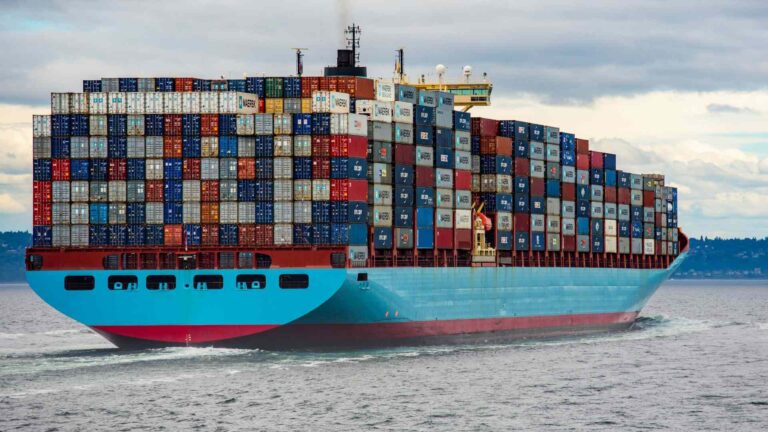
Global Freight Market Trends in 2026: Shifts in Rates, Capacity, and Maritime Transport Strategies
The global maritime transport sector is undergoing a crucial period of adjustment. Following a period of sharp rate increases, ocean freight prices are now experiencing significant fluctuations. Major trade lanes are showing increasingly different trends. Meanwhile, export demand is changing rapidly, driven by emerging sectors such as artificial intelligence (AI), robotics, and innovative pharmaceuticals. Z-leading International, an international logistics provider, focuses on European and US markets. The company analyzes current logistics conditions from a frontline perspective and provides insights into future transport trends. Ocean Freight Rates: Growing Route Disparities and Slowing Market Growth Analysis of the latest global freight market trends reveals that ocean freight rates are no longer rising uniformly. Notably, vastly different market environments are observed on routes between China and the US compared to those between China and Europe. US Routes: Persistent High Freight Rates, Yet Signs of Adjustment The US maritime transport market maintains relatively high
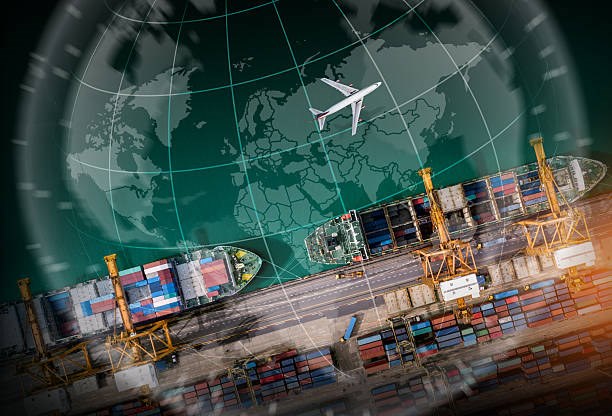
Container Market No Longer Moves in Unison: Route Divergence and Booking Strategy
In early September, the Drewry World Container Index held at around USD 4,476 per 40ft container. The index looks calm, but the two main east-west corridors are moving in opposite directions. For exporters, the real question is no longer “Where is the freight rate going?” but “Which route should my cargo take?” In international freight forwarding trends, route selection, surcharges, schedules and document compliance are replacing a single freight-rate view. 1. US Routes Strengthen, Europe Routes Weaken US routes are supported by frontloading ahead of tariff expectations: Shanghai–Los Angeles rose about 2% to USD 7,352/FEU, while Shanghai–New York rose about 1% to USD 9,726/FEU. Europe routes are weakening: Shanghai–Rotterdam fell 2% to USD 3,997/FEU, and Shanghai–Genoa fell 3% to USD 4,216/FEU. Capacity is being reallocated: The cautious return of Suez Canal transits coincides with the end of the European peak season, returning capacity to Asia–Europe routes. These are two routes with
US Eases Air Cargo Security Requirements for Cross-Border E-commerce Shipments
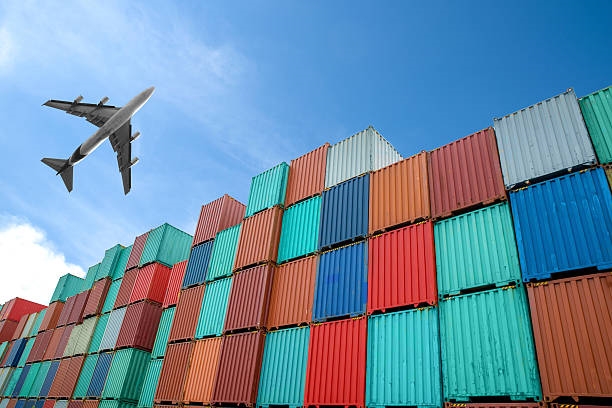
With the rapid growth of global online trade, aviation logistics has become an essential part of international supply chains. Recently, the U.S. Transportation Security Administration (TSA) introduced new rules to reduce the security inspection burden for qualified export air cargo, bringing new changes to the international logistics industry. According to the International Civil Aviation Organization (ICAO), all United Nations member states were required to implement security screening measures for export air cargo before loading from June 30, including X-ray inspection, explosive trace detection, physical searches, or explosive detection dog inspections. However, the latest TSA regulation provides more flexibility. If export shipments are classified as “secure,” e-commerce companies and logistics providers may not need to conduct security checks on every individual shipment. This adjustment is expected to improve transportation efficiency and reduce additional costs for global sellers. TSA Introduces New Security Management Approach for Air Cargo Under the new TSA regulation,
Europe-Bound Road Freight: How Road DDP Shipping Service Creates a New Balance Between Cost and Delivery Speed
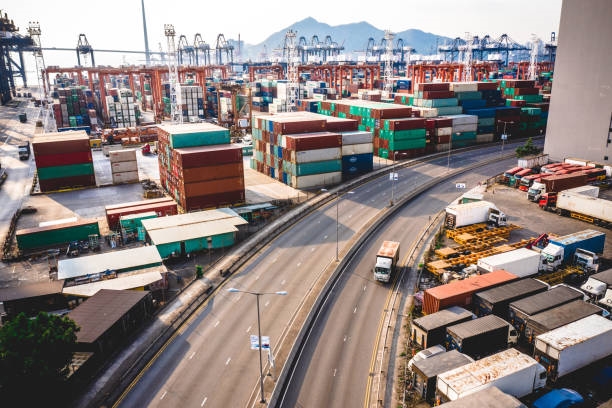
The landscape of international logistics corridors is undergoing significant transformation. For many years, freight transportation between China and Europe mainly depended on two traditional options: sea freight and air freight. However, these two methods represent opposite ends of the logistics spectrum. Sea shipping offers lower costs but usually requires around 30–40 days, while air freight provides faster delivery within approximately 5–7 days but comes with much higher transportation expenses. Today, the development of Europe-bound road freight is creating a new alternative between these two traditional models. With the growing demand for flexible supply chains, the road DDP shipping service has become an increasingly practical choice for cross-border sellers who need reliable delivery, simplified customs procedures, and balanced logistics costs. Road Freight Bridges the Gap Between Sea and Air Shipping The biggest advantage of Europe-bound trucking is its ability to provide direct, door-to-door transportation without relying heavily on port operations. Unlike